Best Time to Visit the Florida Keys: A Complete Month by Month Guide
The Florida Keys are one of those rare destinations where "there is no bad time to visit" is actually true — not just a tourism tagline. The temperature never drops below 65°F. The water is warm year-round. Something is always running offshore. The restaurants are always open.
But every month has a personality. December through April brings perfect weather and peak prices. May through August brings heat, emptier beaches, and bargains. September and October carry storm risk but reward the flexible traveler with the lowest prices of the year. November is one of the best-kept secrets in Keys travel.
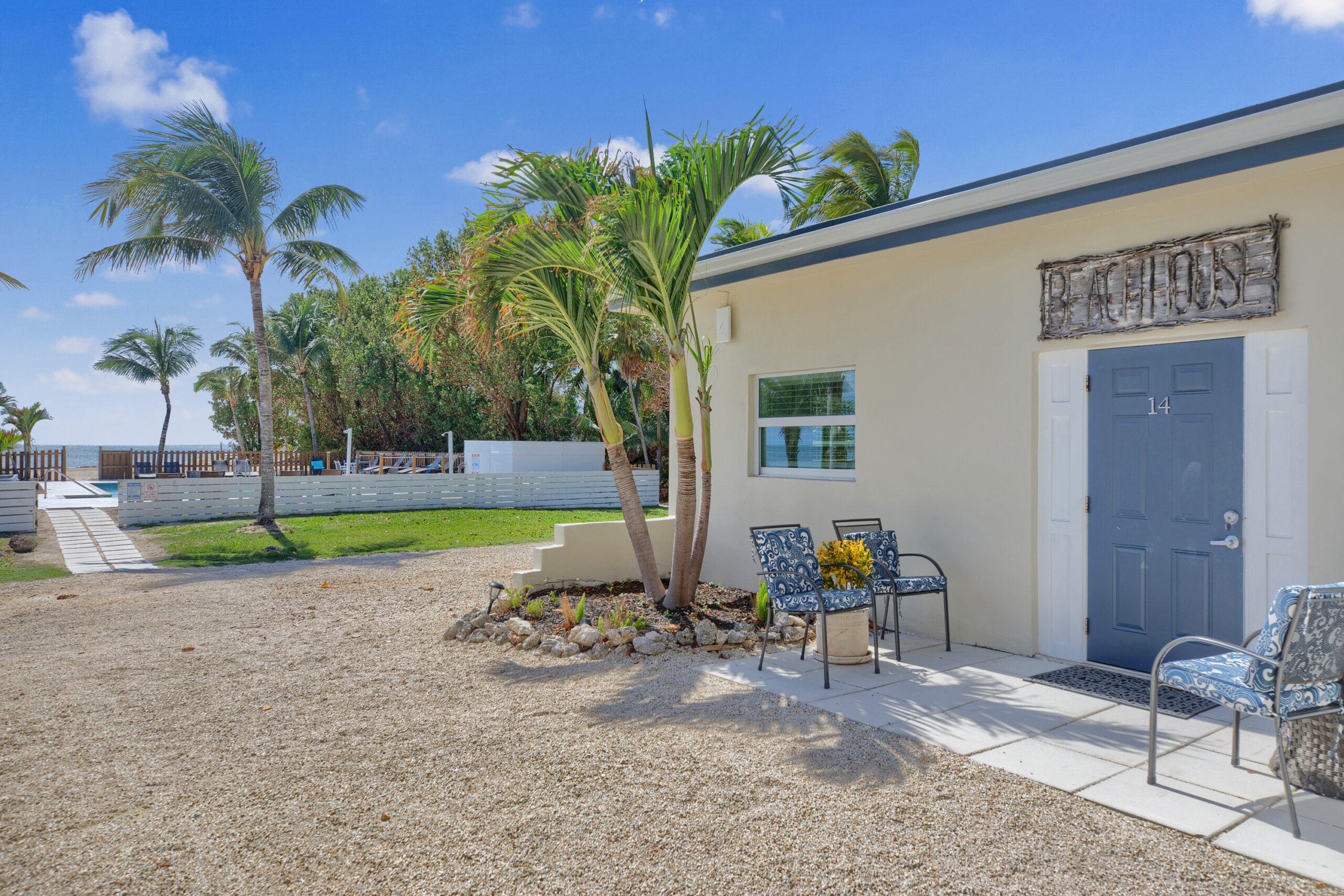
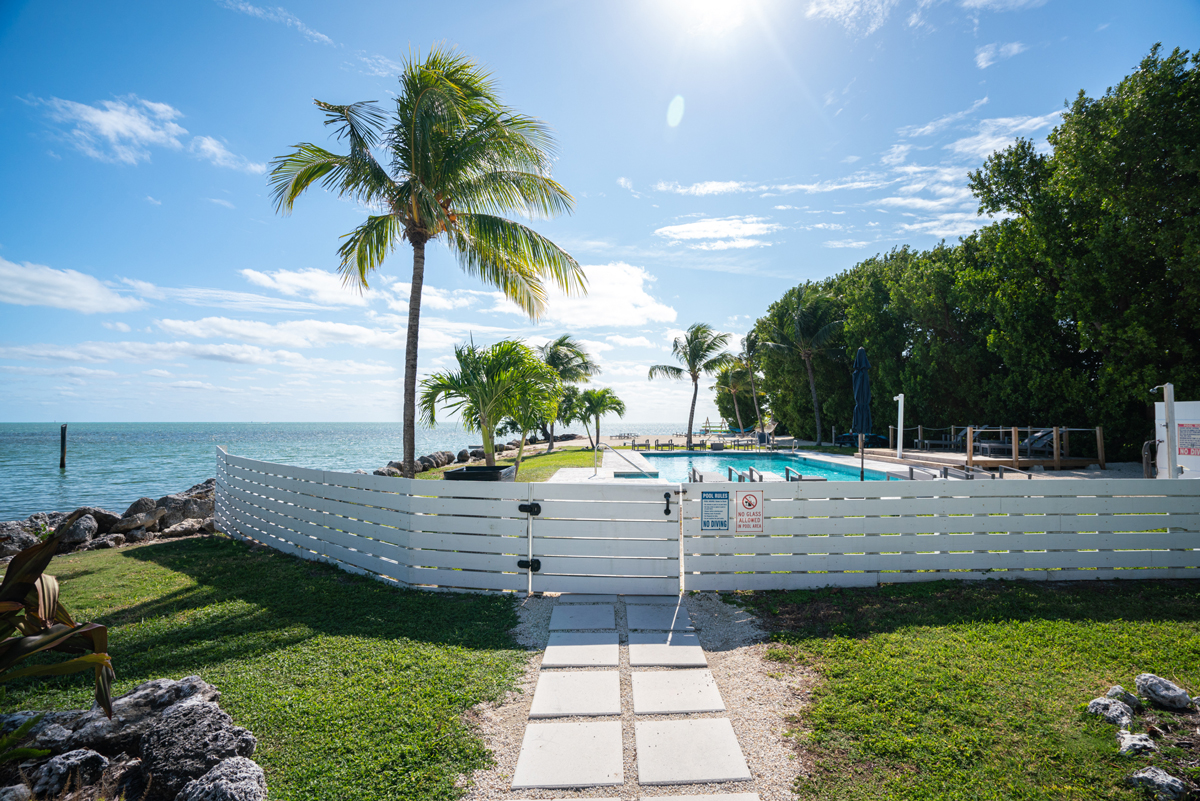
This guide breaks down every single month from a Marathon perspective — the weather, the crowds, the fishing, the events, and what you should actually expect when you arrive at Seascape's dock and look out at the water.
The best time to visit the Florida Keys is the time that matches what you are after. This guide helps you find that match — month by month, honestly.
The Four Travel Seasons at a Glance
Before going month by month, here is the big picture. The Keys have four distinct travel seasons, each with a completely different vibe.
Best weather. Lowest humidity. Almost zero rain. Highs in the low-to-mid 70s°F through February, climbing to the mid-80s by April. Highest prices. Most crowded. Book well in advance.
The insider's choice. Great weather, lighter crowds, and better prices than peak. May is warm and beautiful. November is the hidden gem — perfect weather as the winter crowds have not yet arrived.
Hot, humid, and rainy afternoons. But also: lower prices, fewer crowds, calm offshore seas for fishing, warmest water of the year, and the Lobster Mini Season in late July. Underrated by most visitors.
Lowest prices of the year. Lowest crowds. But also peak hurricane season — September is the highest-risk month. Experienced travelers visit with flexible plans, travel insurance, and their eyes on the weather app.
Month by Month: What to Expect in the Florida Keys
Here is every month in detail — weather, crowds, pricing, fishing highlights, and any local events worth planning around.
January is the coolest month in the Keys, with highs around 75°F and occasional cool fronts dipping to the mid-60s at night. That is still shorts weather for most visitors escaping a northern winter. Skies are clear, humidity is low, and rain is rare. Peak season crowds are in full swing — it is the heart of snowbird season. Book early.
February is widely considered one of the best months to visit. Weather is nearly perfect — low humidity, sunny skies, highs in the high 70s. Crowds remain high and prices are at their peak, but the conditions justify it. The water is around 72°F — comfortable for snorkeling in a wetsuit. Grouper and Snapper are running well offshore.
March is the height of peak season. Weather is flawless — low 80s, breezy, low humidity, almost no rain. It is also home to the Original Marathon Seafood Festival (mid-March), the single biggest event in the Middle Keys, drawing 15,000+ visitors over two days. Lobster season runs through March 31 — your last chance until August. Book months ahead for this month.
April is a sweet spot. The winter crowds start to thin as spring break ends, but the weather is still excellent — warm, sunny, minimal rain. April is peak tarpon migration. The Seven Mile Bridge and nearby flats light up with Silver Kings. The Seven Mile Bridge Run happens in April too, a beloved local event. Slightly better value than February and March.
May is consistently underrated. Weather is warm and mostly dry — late May sees some afternoon showers but nothing significant. Crowds drop sharply after spring break. Prices ease from peak highs. The water warms to 80°F+ — ideal for snorkeling and swimming. Mahi-Mahi are running offshore. Tarpon fishing remains excellent. You get the Keys mostly to yourself compared to February.
June is hotter and humid with afternoon thunderstorms most days — but they blow through fast and rarely last more than an hour. The upside: rates drop significantly, beaches and restaurants empty out, and the offshore fishing is exceptional. Mahi are at their peak. Water temperatures hit the mid-80s. If you can handle the heat and don't mind afternoon showers, June delivers excellent value.
July is peak summer heat — hot, humid, and rainy afternoons. But the last Wednesday and Thursday of July are the Florida Lobster Mini Season, a two-day frenzy where snorkelers and divers flood the Keys to grab their legal limit of spiny lobster. The energy is unlike anything else in the Keys calendar. Otherwise, July is quiet and affordable. Blackfin Tuna are running at the Marathon Hump.
August 6 marks the opening of the regular 8-month lobster season, which runs through March 31 the following year. August is hot and rainy but sees a bump in families on summer vacation. It is a great month if you have kids — the lobster season opening is a real event, the water is as warm as it gets all year (85°F+), and rates remain off-season. Hurricane season is active but manageable.
September is the single cheapest month to visit the Keys and the single highest-risk month for hurricanes. The Atlantic hurricane season peaks in mid-September. That said, many experienced travelers visit in September with flexible bookings and travel insurance, enjoy nearly deserted beaches and docks, and pay a fraction of peak prices. If a storm develops, you adjust. If it doesn't, you have the Keys to yourself.
By mid-October, hurricane risk drops sharply and conditions begin to settle into something wonderful. Lower humidity, cleaner skies, warm water, and some of the lowest hotel rates of the year before the snowbird season kicks in. Fantasy Fest in Key West happens the last week of October — a 10-day event that draws massive crowds to the Keys generally. Wahoo and snapper fishing is excellent.
November is the most underrated month in the Keys. Hurricane season winds down, humidity drops, temperatures settle into the comfortable low 80s, and the snowbird crowd has not yet descended. You get dry-season weather at near off-season prices. The Keys feel calm and unhurried. Locals love November. Savvy repeat visitors return every year for exactly this reason. If you can only go once, November is worth serious consideration.
December marks the return of peak season as winter sets in across the US and snowbirds head south. Weather turns perfect — warm, dry, and breezy. Holiday season in the Keys is genuinely festive — tiki bar Christmas trees, boat parades, and holiday lights along the Overseas Highway. Rates climb through December. The week between Christmas and New Year is the busiest and most expensive stretch of the entire year.
The Marathon Advantage in Every Season
Where you stay in the Keys matters almost as much as when. Marathon sits at Mile Marker 50 — the exact geographic center of the island chain. That position means something real in every season.
In peak season, Marathon is noticeably calmer than Key West and Key Largo, which take the brunt of tourist traffic. In summer, the protected waters on the bay side through Vaca Cut give you calm fishing and paddling options even when afternoon winds pick up on the ocean side. In shoulder seasons like May and November, Marathon's smaller size means the restaurants and docks feel like locals' territory, not tourist territory.
Best Month For Your Trip
The right time to visit depends entirely on what you're after. Here's the honest answer for three different types of travelers.
Seascape Marina puts you on the ocean side at MM50 — close to offshore runs, Vaca Cut bay access, and the Seven Mile Bridge fishing year-round.
Practical Tips for Planning Around the Seasons
Book peak season at least 3–4 months out. February and March fill fast — especially for waterfront properties with dock access. If you are planning a winter trip, do not wait until December to book.
Traffic on the Overseas Highway is a real variable. The Keys have one road in and one road out. Festival weekends, holiday weekends, and peak season Fridays can mean multi-hour delays. Build in extra drive time.
If you go in summer, plan mornings early and afternoons easy. The best fishing, snorkeling, and beach time all happen before noon. Afternoon storms typically arrive 2–4pm and pass within the hour. Schedule accordingly.
September and October travelers should get travel insurance. If a named storm threatens, you want the option to reschedule without penalty. Many Keys properties will work with you on this — but having insurance removes any ambiguity.
November is the most underbooked great month in the Keys. If your schedule allows flexibility, this is the month experienced Keys travelers return to year after year — quieter, cheaper, and just as beautiful as February.
Lobster Mini Season in late July books out fast. If you are planning a trip specifically around the Lobster Mini Season, the last two days of July fill up fast in Marathon. Book as early as possible for that weekend.
No Matter When You Come, Stay Close to the Water
The Florida Keys are a water destination. The experience changes completely depending on whether you are steps from a dock or a 10-minute drive from the nearest boat launch. In peak season, that proximity means you are on the water before the crowds. In summer, it means you catch the calm morning window before the afternoon storms. In November, it means sunset from the dock every evening without planning.
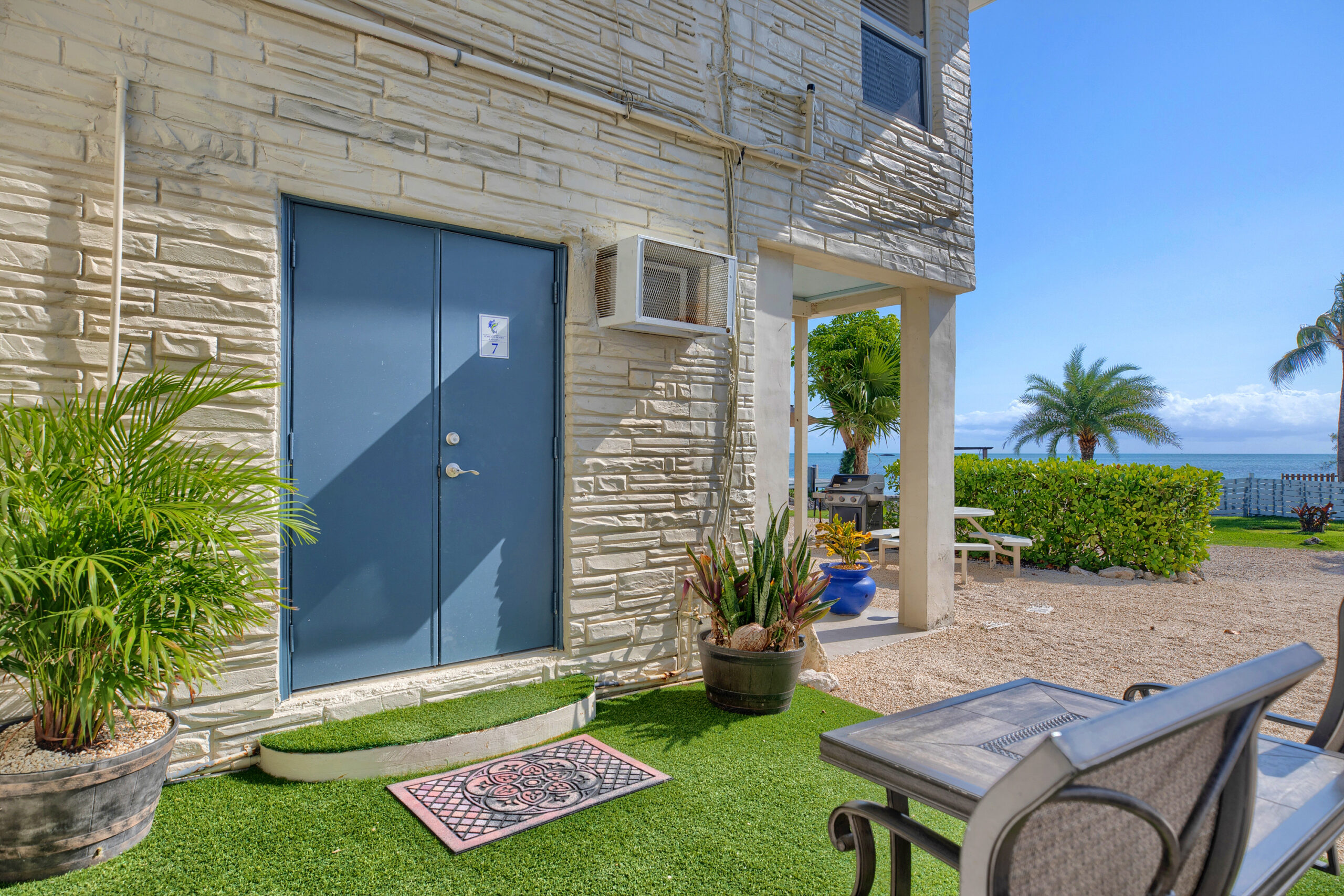
At Seascape Resort and Marina, you wake up on the ocean side in Marathon, Florida. The dock is there. The water is there. Whatever month you choose to visit, you are already in the right spot.
Ready to Plan Your Florida Keys Trip?
Whatever month works for your schedule, Seascape Resort and Marina puts you in the right place. Ocean side. Mile Marker 50. Direct water access. Best rate guaranteed when you book direct.